Day-After Drained: The Real Reason You Feel Wrecked After a Concert or Festival
You spent Saturday night in the crowd. The bass was thumping, the lights were flashing, your favorite artist was right there, and the energy was electric. You got home buzzing, maybe even too wired to sleep. Sunday morning rolls around, and instead of feeling like a person who had the time of their life, you feel like you got hit by a bus.
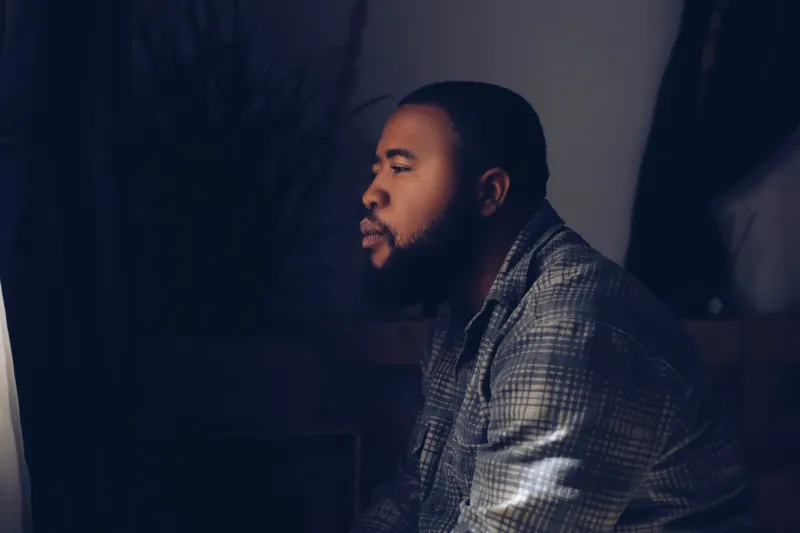
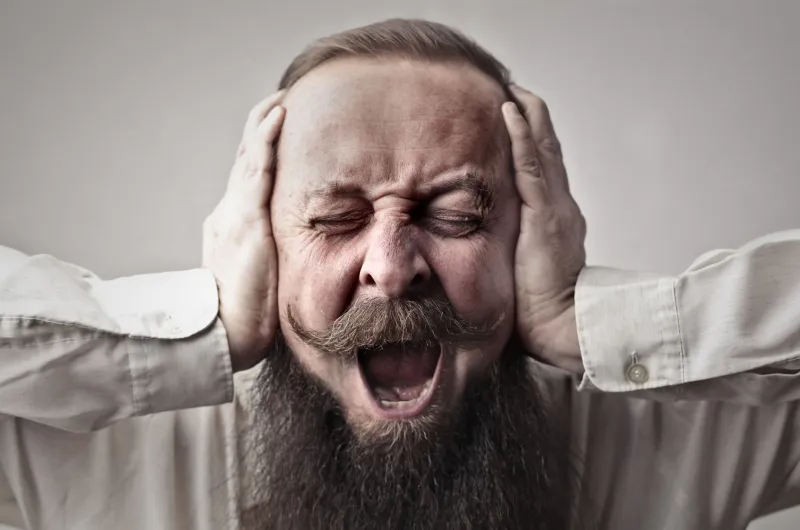
Your head is heavy. Sounds that wouldn't normally bother you — a neighbor mowing their lawn, a text notification, someone laughing in the next room — feel almost physically painful. You're irritable in a way that's hard to explain. You're exhausted but restless. You might even feel a low-grade sadness you can't quite name.
This isn't just a hangover (though that might be part of it). What you're experiencing has a name in wellness circles: a sensory hangover. And it's a lot more physiologically real than most people realize.
What Your Nervous System Was Actually Doing at That Show
When you step into a high-stimulation environment — a stadium concert, an outdoor music festival, a packed arena — your brain doesn't just passively experience the sound and light. It immediately shifts into a heightened state of alert processing.
Your auditory cortex is working overtime, sorting and interpreting a constant flood of decibel levels that can easily hit 100–110 dB or higher. For reference, prolonged exposure above 85 dB is where hearing researchers start raising flags. Meanwhile, your visual system is tracking rapid light changes, crowd movement, and visual complexity. Your amygdala — the part of your brain that flags potential threats — stays quietly activated throughout, even when you're having fun, because the environment technically registers as intense stimulation.
All of this triggers a low-level stress response. Cortisol and adrenaline tick upward. Your nervous system stays in a sympathetic state — that classic fight-or-flight mode — for hours. The thing is, you're enjoying yourself, so you don't register it as stress. But your body doesn't entirely know the difference between exciting stimulation and threatening stimulation. It just knows things are loud, fast, and a lot.
Why the Crash Happens the Day After — Not That Night
Here's the part that trips most people up. You might feel fine right after the event ends, or even energized. That's because your body is still running on the neurochemical cocktail it produced to help you keep up. Dopamine, adrenaline, and endorphins don't vanish the second the headliner wraps up.
But 18 to 36 hours later? That's when the biological bill comes due.
Cortisol levels that stayed elevated during and after the event eventually drop — sometimes sharply. Your nervous system, which spent hours in high-alert mode, starts attempting to recalibrate. That recalibration process is genuinely taxing. Think of it like your body's internal settings trying to reset after being cranked to maximum volume for an extended stretch.
Researchers who study post-event fatigue have noted that this delayed crash is a consistent pattern, especially after events involving sustained loud sound, dense crowds, and disrupted sleep. The irritability and sound sensitivity that peak the next day aren't random — they're symptoms of a nervous system that's still processing and trying to find its baseline.
Your auditory system specifically may remain in a sensitized state. The tiny hair cells in your cochlea that were vibrating intensely for hours need time to recover. Some temporary threshold shifts in hearing — meaning sounds seem louder or more jarring than usual — are common in the 24 to 48 hours following loud event exposure.
The Emotional Layer Nobody Talks About
Beyond the physical, there's a psychological dimension to the sensory hangover that often gets overlooked. Big events carry big emotional weight. The anticipation, the crowd energy, the shared experience — all of it creates an emotional high that's genuinely hard to come down from.
When it's over, there can be a subtle (or not-so-subtle) emotional deflation. Some people describe it as post-event blues, that hollow feeling when something you'd been looking forward to is suddenly in the past. Combined with a nervous system that's running on empty and a body that's sleep-deprived, this can tip into real irritability, low mood, or a vague sense of being off.
This is worth naming because people often feel embarrassed or confused by it. You just had a great time — why would you feel sad or snappy? The answer is: because your brain and body went through something genuinely demanding, and they need space to land.
Evidence-Based Ways to Actually Recover
Sensory recovery isn't just about lounging on the couch (though that helps). There are specific approaches that support your nervous system in getting back to baseline.
Protect your auditory environment. For the 24 to 48 hours after a loud event, be intentional about keeping your sonic surroundings quieter than usual. This doesn't mean total silence — in fact, very soft, low-frequency ambient sound can actually be soothing for an overstimulated auditory system. Think gentle nature sounds, quiet instrumental music, or a low fan. Give your ears a genuine break from more input.
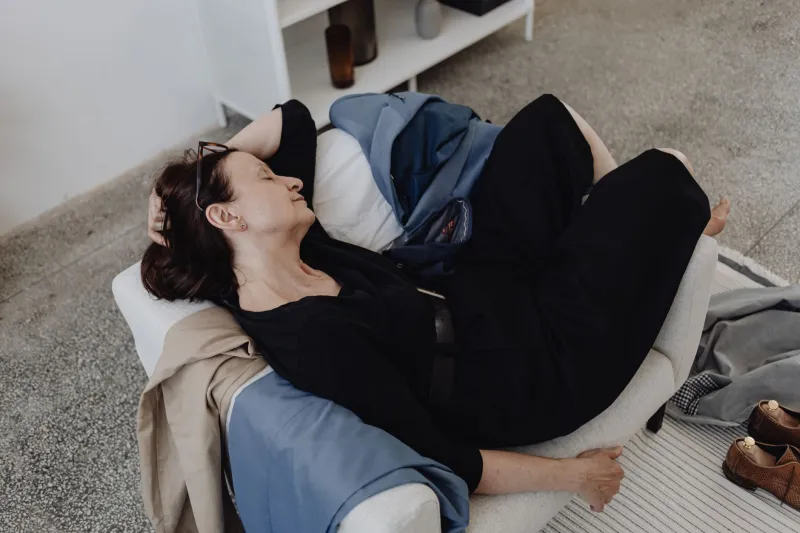
Prioritize sleep, even imperfect sleep. Your nervous system does the bulk of its regulatory recovery during sleep. If you can sleep in, do it. If you're struggling to fall asleep due to residual activation, a body scan or progressive muscle relaxation practice can help signal to your system that it's safe to downshift.
Go easy on caffeine and alcohol. Both interfere with the nervous system's ability to regulate itself. Caffeine keeps cortisol elevated; alcohol disrupts the deep sleep your body needs most right now. Hydration — especially with electrolytes — supports physical recovery, particularly if you were in a hot, crowded environment.
Move gently. A slow walk outside, some light stretching, or a gentle yoga session can help metabolize residual stress hormones without adding more demand to a system that's already running low. Avoid intense exercise the day after a major event if you're already feeling depleted.
Give yourself permission to be quiet. This one sounds simple but it's surprisingly hard for a lot of people. Cancel the brunch plans if you need to. Say no to the group chat. Let yourself have a genuinely low-stimulation day without guilt. Treating sensory recovery as a legitimate need — not laziness, not antisocial behavior — is a real wellness practice.
Rebuilding Sensory Resilience Over Time
If you find that sensory hangovers hit you especially hard, it might be worth looking at your overall baseline. People who are chronically stressed, sleep-deprived, or already running in a heightened nervous system state tend to experience more intense post-event crashes. The event itself becomes the tipping point rather than the sole cause.
Building regular sensory downtime into your life — daily quiet moments, consistent sleep, mindful management of your sound environment — creates a kind of buffer. You're not avoiding loud experiences; you're building the resilience to recover from them more smoothly.
The goal isn't to stop going to concerts. It's to stop being blindsided by what comes after.
Your body did something demanding. It showed up fully, processed an enormous amount of stimulation, and carried you through the whole experience. The day after is just the part where it asks for something back. Give it what it needs — and the next show will be that much better for it.