Still Ringing: How to Help Your Nervous System Recover After a High-Stimulation Event
The Morning After the Music
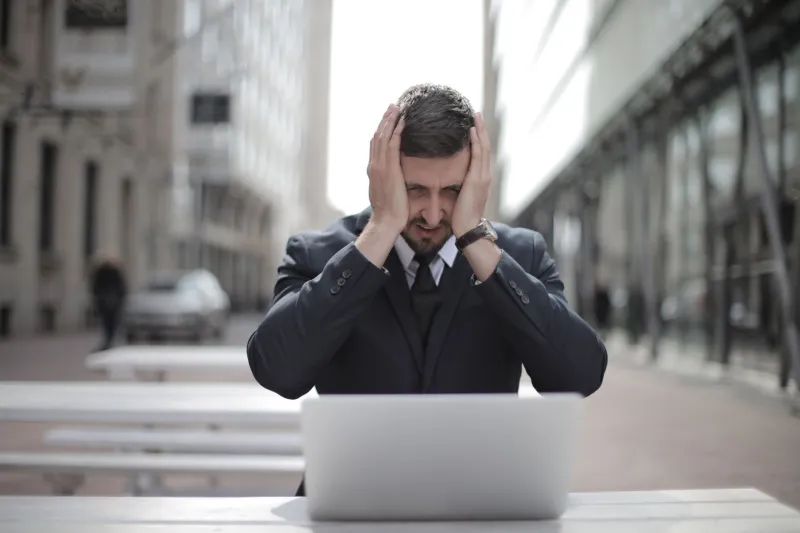
You had a great time. The concert was loud and electric, the crowd was buzzing, and the energy was exactly what you needed after a stressful week. But now it's two days later, and you still feel... off. Foggy. A little irritable. More drained than a fun night out should leave you.
You're not imagining it. What you're experiencing has a name — sensory fatigue — and it's your nervous system's way of presenting the bill for all that stimulation you absorbed. Think of it like a sensory hangover. No alcohol required.
What's Actually Happening in Your Body
Your nervous system doesn't have an "off" switch at a loud event. From the moment you walk into a packed venue, your brain is working overtime — processing layers of sound, navigating visual chaos, monitoring personal space, and regulating your emotional responses to all of it simultaneously.
The autonomic nervous system, specifically the sympathetic branch (your classic fight-or-flight driver), kicks into a low-grade activation state in high-stimulation environments. Cortisol and adrenaline tick upward. Your auditory cortex is flooded with input it has to sort, prioritize, and respond to — constantly, for hours.
Here's the part most people miss: that processing doesn't stop the moment you walk out into the parking lot. Your brain keeps working to integrate and file all that sensory data long after the noise itself is gone. Research on auditory stress responses suggests that prolonged noise exposure — especially sounds above 85 decibels, which is well within typical concert range — triggers measurable changes in cortisol levels that can linger for 24 to 48 hours.
Your ears are also doing their own recovery work. The tiny hair cells in your cochlea, which translate sound vibrations into neural signals, can become temporarily fatigued after intense noise exposure. That muffled quality you notice the morning after a loud show? That's those cells asking for a break.
Why Enjoyable Events Still Drain You
This is the part that trips people up. If you had fun, why does your body feel like it ran a marathon?
Positive stress is still stress. Excitement, anticipation, dancing, laughing loudly over the music — all of it runs through the same physiological channels as anxiety or threat response. Your nervous system doesn't distinguish between "good loud" and "bad loud" at the cellular level. It just knows: high input, high output, high cost.
Crowded venues add another layer. Navigating personal boundaries in a tight space, making quick social decisions, managing sensory input from multiple directions — these are all low-level cognitive loads that stack up quietly in the background. By the time you get home, your brain has been working a long shift.
The Recovery Window Matters More Than You Think
Most people try to bounce back from a high-stimulation event by just... sleeping and moving on. And that works well enough for some. But if you regularly feel emotionally flat, unusually irritable, or mentally sluggish for a day or two after events you actually enjoy, your recovery window probably needs more intention.
Here's a framework that works with your nervous system rather than against it.
Give Yourself a Quiet Buffer
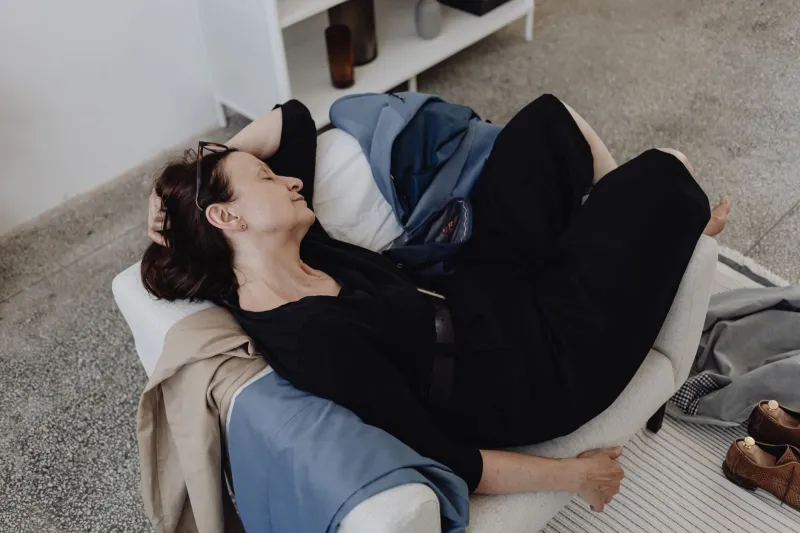
In the 12 to 24 hours after a loud event, treat low-stimulation time as non-negotiable. This doesn't mean you have to sit in silence — though that helps — but it does mean stepping back from environments that demand more auditory or social processing. Skip the brunch with a big group. Put your phone on Do Not Disturb. Let your nervous system coast for a while instead of immediately handing it a new assignment.
Lower the Volume, Literally
After hours of concert-level sound, your auditory system has recalibrated its sensitivity thresholds. Everyday sounds can feel sharper or more intrusive than usual — a dishwasher, a TV in the next room, a coworker's keyboard. This is temporary, but it's real. Being deliberate about keeping your sound environment quiet and low-key during recovery isn't being precious; it's being smart.
Use Slow, Rhythmic Sound Intentionally
Complete silence isn't always the most effective recovery tool. For many people, a gentle, rhythmic sound environment — slow rain, a soft fan, low ambient nature sounds — gives the auditory cortex something simple and predictable to rest against, rather than the strain of total quiet. There's a reason spa playlists sound the way they do.
Prioritize Sleep Architecture, Not Just Sleep Duration
After a high-stimulation event, you might sleep for nine hours and still wake up tired. That's because what matters isn't just how long you sleep but how deeply. Cortisol disruption can fragment sleep cycles and reduce slow-wave (deep) sleep — the phase where your brain does its most meaningful restoration. Keeping your sleep environment cool, dark, and genuinely quiet (or with a consistent, simple sound backdrop) supports better sleep quality during recovery.
Gentle Movement Over Inertia
It might feel counterintuitive, but lying completely still all day after an overstimulating event can actually keep your nervous system in a slightly elevated state. Light, rhythmic movement — a slow walk outside, gentle stretching, easy yoga — activates the parasympathetic nervous system and helps shift your body out of low-grade alert mode. Think of it as a cool-down lap, not more exertion.
Reframing Recovery as Part of the Experience
There's a cultural tendency in the US to push through, to treat rest as something you earn only when you're visibly sick. But sensory recovery isn't weakness — it's maintenance. Your nervous system is a finely tuned instrument, and high-stimulation events are a workout for it.
If you know a big event is coming — a festival weekend, a long flight with a layover, a noisy family gathering — you can even build your recovery window into the plan in advance. Block the day after. Keep it low-key on purpose. Treat it the way an athlete treats a rest day: not as lost time, but as the part that makes everything else sustainable.
The silence after the noise isn't emptiness. It's where the real recovery lives. And the more you learn to respect that window, the more energy you'll have for the next experience worth showing up for fully.